Rome · Lindale · Cave Spring · Armuchee · Shannon
Tree Removal in Rome, GA
Rome was laid out across seven named hills where the Etowah and Oostanaula meet to form the Coosa, so a tree here may stand on a steep hillside lot or down in a river bottom. Call the number below or send the form, and a contractor who knows this ground will reach out.
- One tree or a whole fence line of them
- Storm-thrown trees and hanging limbs
- Stumps, pruning and overgrown lots
Tree work around Rome
Five kinds of job, each with its own local catch
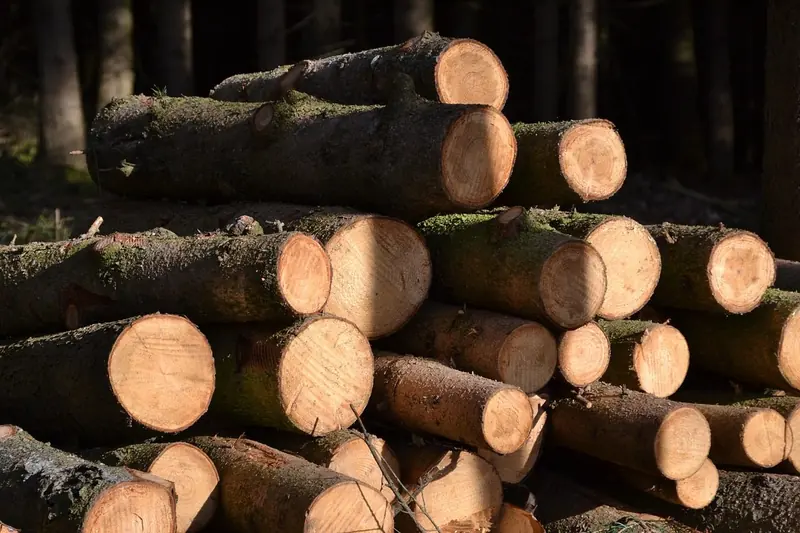
Tree removal
Dead, dying, leaning or simply in the way, including trees close to a house, a fence or a steep drop.

Storm and emergency trees
Trees on roofs, across driveways or tangled in wires after a squall line comes through.
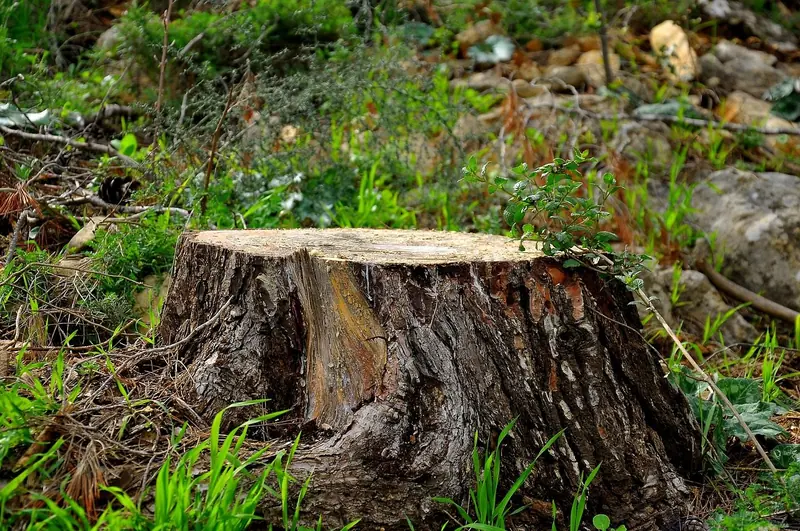
Stump grinding
Grinding below the grass line, what happens to roots and chips, and the 811 ticket that comes first.
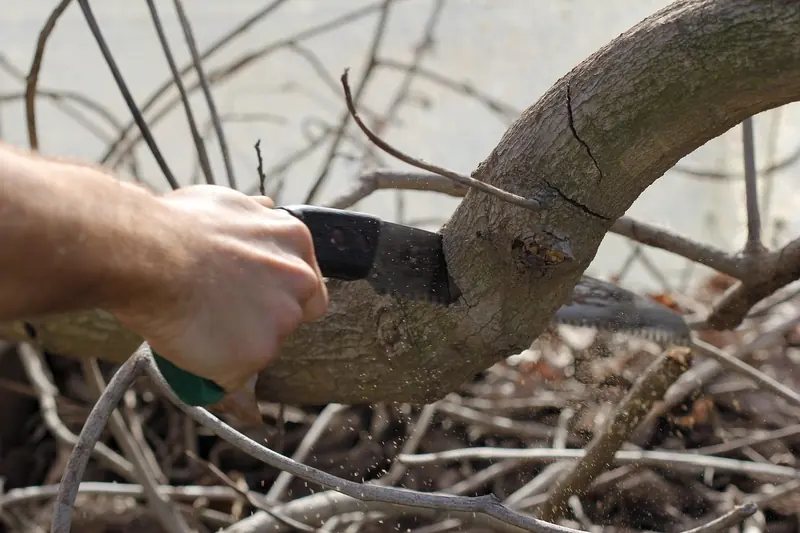
Trimming and pruning
Deadwood, clearance over roofs and drives, and when a careful cut beats a removal.
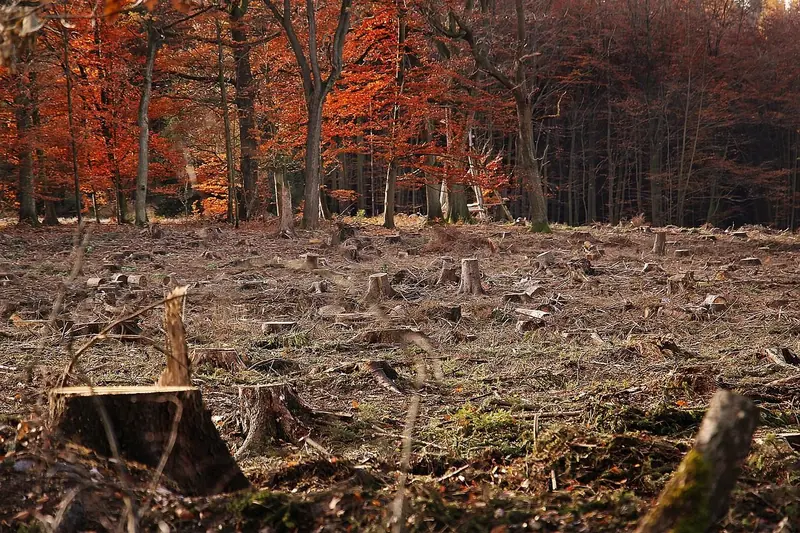
Lot and brush clearing
Overgrown lots and acreage, the land disturbance permit and the river buffers.
Tree removal in Rome, GA starts with three questions
Most tree removal in Rome, GA comes down to what the tree stands next to, how a crew can reach it, and where the wood ends up. A pine alone in a back field is a very different job from a big hardwood leaning over a carport on one of the older hillside streets, and the price follows that difference. Before quoting, a contractor sizes up the height, the lean, any decay, the wires overhead and the route a truck, lift or grinder can take into the yard.
What tree work costs
No published price survey covers Rome itself, so national figures are the yardstick for tree removal. Angi's tree removal guide, updated October 22, 2026, gives $750 as the national average and $200 to $2,000 as the usual spread; a tree up to 30 feet tall runs $150 to $450, one over 80 feet $1,000 to $2,000. The same site's stump grinding guide averages $250 for one stump, and Lawn Love's trimming guide lists $412 to $612 per tree. Disposal is its own line: the city's Walker Mountain Landfill weighs inert loads such as limbs and leaves and charges from $3 for the first 250 pounds. The cost page sets all of it out in tables.
Pines, beetles and ash trees
When a pine browns out over a single summer, the southern pine beetle belongs on the list of suspects. The Georgia Forestry Commission ranks it as the Southeast's most damaging forest insect; loblolly, shortleaf and Virginia pines are its most susceptible hosts, and Piedmont outbreaks come around every 6 to 10 years, usually tied to drought or flooding. Check the bark for pitch tubes and the crown for color: pale green going yellow, then red, then brown. The commission also lists Floyd County among the Georgia counties where the emerald ash borer has been confirmed, so a thinning ash deserves a close look. More in the pest guide.
Storms that put trees on roofs
Three spring storms show what wind does to trees here. On April 15-16, 2011, the National Weather Service traced damage in southern Rome to straight-line winds near 80 mph that brought down 50 to 100 trees and damaged about a dozen homes. A short EF0 tornado on March 14, 2019 snapped and uprooted trees near Cave Spring. On May 1, 2025, a storm dropped trees across Rome roads and power lines and left thousands without electricity until most of it came back the next morning. Georgia Power's tree FAQ is plain that cleanup of storm debris is the property owner's job. See storm and emergency trees.

Trees near power lines
Georgia's High-Voltage Safety Act bars anyone from bringing a person, tool or machine within 10 feet of a line over 750 volts until the line's owner has been notified through 811, at least 72 hours ahead not counting weekends and holidays, and has guarded the line. Depending on the address, the wires over a Floyd County yard may belong to Georgia Power or to North Georgia EMC, whose seven-county territory includes Floyd; the power bill says which. NGEMC trims on a five-year cycle and notes that many of its outages start with trees standing outside its right-of-way. The power line guide has a diagram.
Seven hills, three rivers
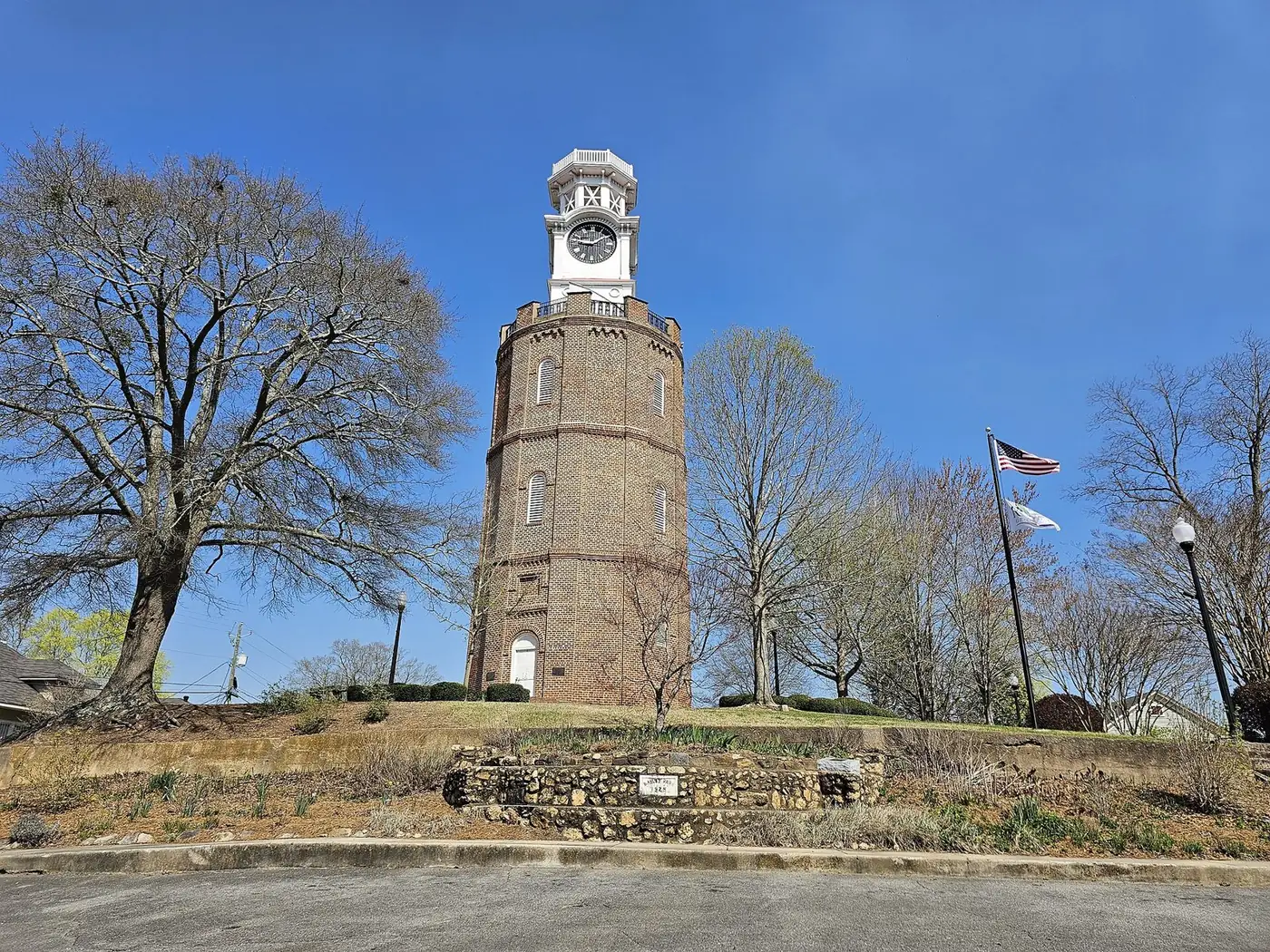
Rome sits where the Etowah and Oostanaula meet to form the Coosa, and the town was laid out across seven named hills: Blossom, Jackson, Lumpkin, Mount Aventine, Myrtle, Old Shorter and Neely, the last better known as Clock Tower Hill. Slope and floodplain both shape a tree job. On a hillside the felling path may point downhill toward a neighbor's roof; near the water, development within 200 feet of the Etowah, Oostanaula or Coosa banks needs sign-off from the River Overlay District Committee. The rivers have risen hard before: in 1886 the flood was deep enough for a steamboat to travel down Broad Street.
Permits and who to ask
Rome and Floyd County share one Unified Land Development Code, first adopted in August 2001. The Rome-Floyd land disturbance checklist asks for a buffer, landscaping and tree conservation plan with development plans, but we couldn't find a plain, citable answer on whether a single tree in a home yard needs a permit, so call Rome-Floyd Building Inspection at 706-236-4480 or the planning office before a tree service makes a big cut, especially in a historic district. The city's Tree Board plans and cares for trees in parks and along streets, and city crews took down a dead tree on Jackson Hill in April 2026, so check before touching anything that may stand in the right-of-way. State law adds a 25-foot buffer along the banks of state waters where land-disturbing work isn't allowed. Details on the rules page.
Where the limbs go
Inside the city, a 95-gallon yard cart costs $1.80 a month and takes small limbs. Bigger piles can go out for the grabber truck if they stay under 500 pounds and 4 cubic yards, with no limb longer than 8 feet or heavier than 200 pounds, and the truck takes roughly 4 to 6 weeks to come back around. The city won't collect debris left by contractors or lawn services, so on a land clearing job or a single removal, ask whether hauling is in the quote. In unincorporated Floyd County, Public Works picks up limbs up to 12 feet long from property along county roads on request, free below 3 cubic yards once every 90 days; the county's program leaves out stumps.
Grinding out the stump
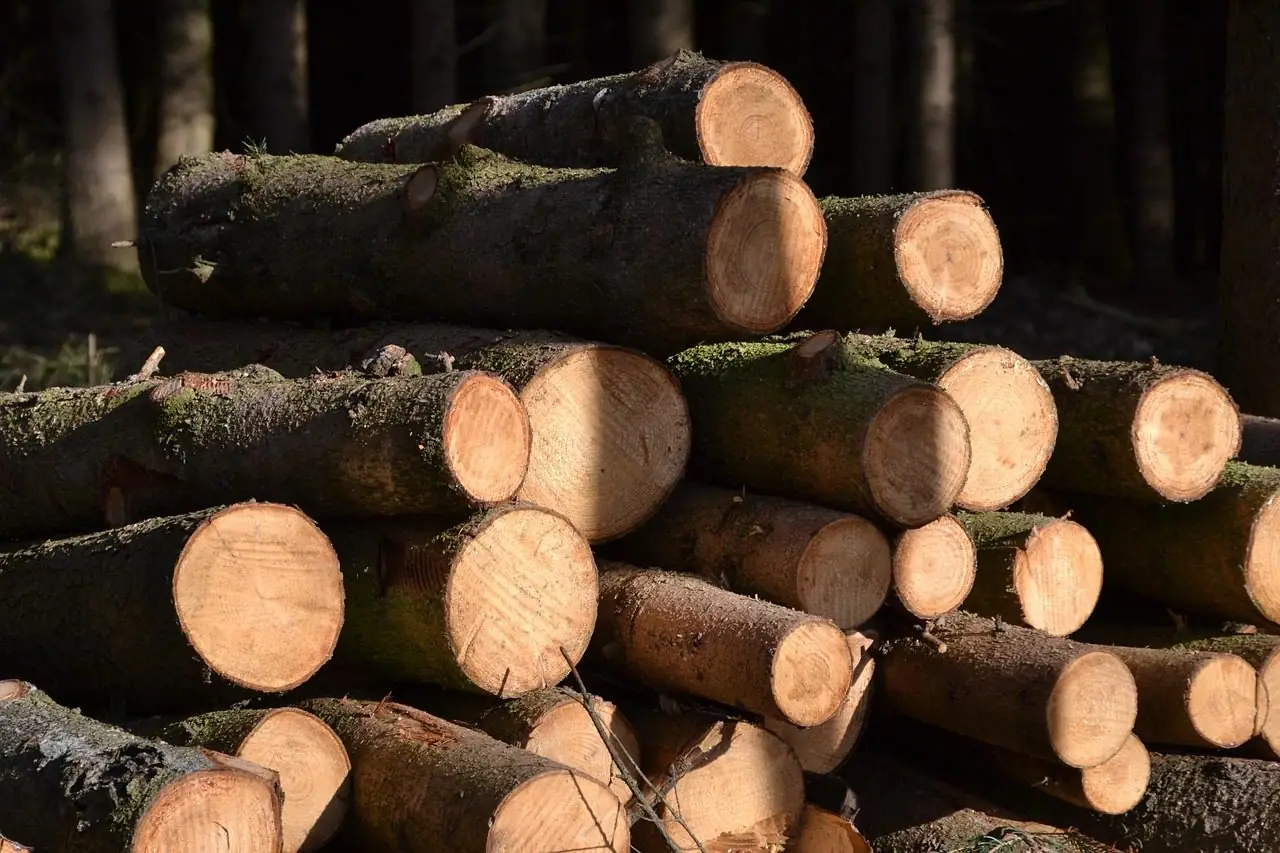
A grinder chews below the surface, so request a locate through Georgia 811 at least 3 business days before the stump grinding starts. Angi says grinding usually runs $2 to $5 per inch of stump diameter, and nearly every contractor sets a minimum of about $100. The machine leaves a mound of chips, and grinding doesn't always include full root removal; digging roots out runs $100 to $200 an hour in Angi's figures. More on the stump grinding page.
Picking a time
A dead or cracked tree over a house shouldn't wait for a better season. For tree trimming, Lawn Love calls winter the best time, though also a busy one that can push prices up. Burning is its own timing question: the Georgia Forestry Commission allows hand-piled leaves and limbs to be burned without a permit if the fire sits 25 feet from woods and 50 feet from buildings and burns between sunrise and sunset, but land-clearing and storm debris need a permit or notification, 54 northern counties fall under a May 1 to September 30 burn ban, and local ordinances still apply. Ask the commission's county office whether that ban covers Floyd County.
About the city
Rome, in brief
Rome was founded in 1834 and named for the Italian capital because of its hills and rivers. The water tank built on Neely Hill in 1871 became the Clock Tower, seen from much of the city, and Martha Berry founded Berry College here in 1902. The Census Bureau counted 37,713 residents in 2020 and estimates 38,934 for 2025, on 31.68 square miles of land, with a median owner-occupied home value of $234,300. Nearby, Marshall Forest, a 311-acre Nature Conservancy preserve in Floyd County, became Georgia's first National Natural Landmark in 1966.
Nearby pages: Lindale, Cave Spring, Armuchee and Shannon.
Guides
Read these before the saw starts
Common questions
Is Rome GA Tree Removal a tree service?
No. It's an independent referral service. A call or form sent here goes to a local tree removal contractor, who prices the job and does the work under its own name. Contractors pay this site for the referrals, and it can't vouch for any contractor's workmanship or insurance.
Does it cost anything to ask for a price?
No. Asking costs the property owner nothing.
Will the City of Rome haul off the branches after a tree comes down?
Not when a contractor cut them. The city's solid waste page says it doesn't collect debris put out by contractors or lawn services; they haul it themselves. Limbs you cut yourself can go out for the grabber truck within the size limits. See tree rules and limb pickup.
Can I cut the limbs that are rubbing my power line?
Leave them. Georgia law keeps people and tools 10 feet from lines over 750 volts until the line owner has been notified through 811 and has guarded the line. Call the utility named on your bill. See trees near power lines.
Should I call 811 before a stump is ground?
It's the safe move. Georgia 811 asks for a ticket at least 3 business days before any digging, and a grinder cuts below the ground. See stump grinding.
Get the tree priced
Ring the number or send the form. A tree removal contractor working Rome and Floyd County follows up, comes to see the tree and names a price. Requesting one is free.
Got the voicemail instead? Leave a name, a number to ring back, the address, and a word on whether the tree is standing, leaning or already down.